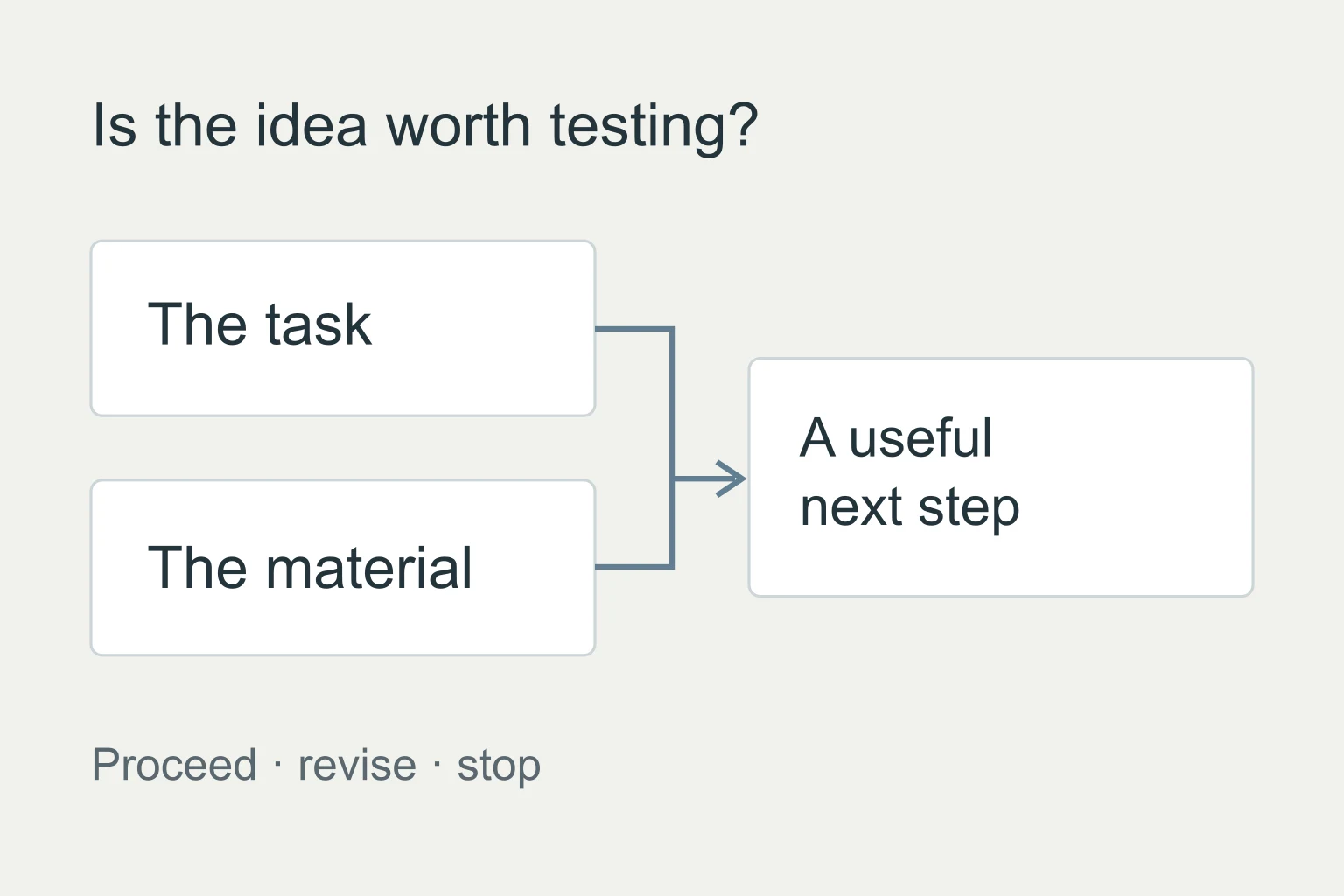
What should an AI feasibility study establish?
A framework for defining the decision, examining data and identifying the smallest useful experiment.
Read the guideResearch notes
Practical guides for teams deciding what to investigate, how to test it and what a result can reasonably support.
A framework for defining the decision, examining data and identifying the smallest useful experiment.
Read the guide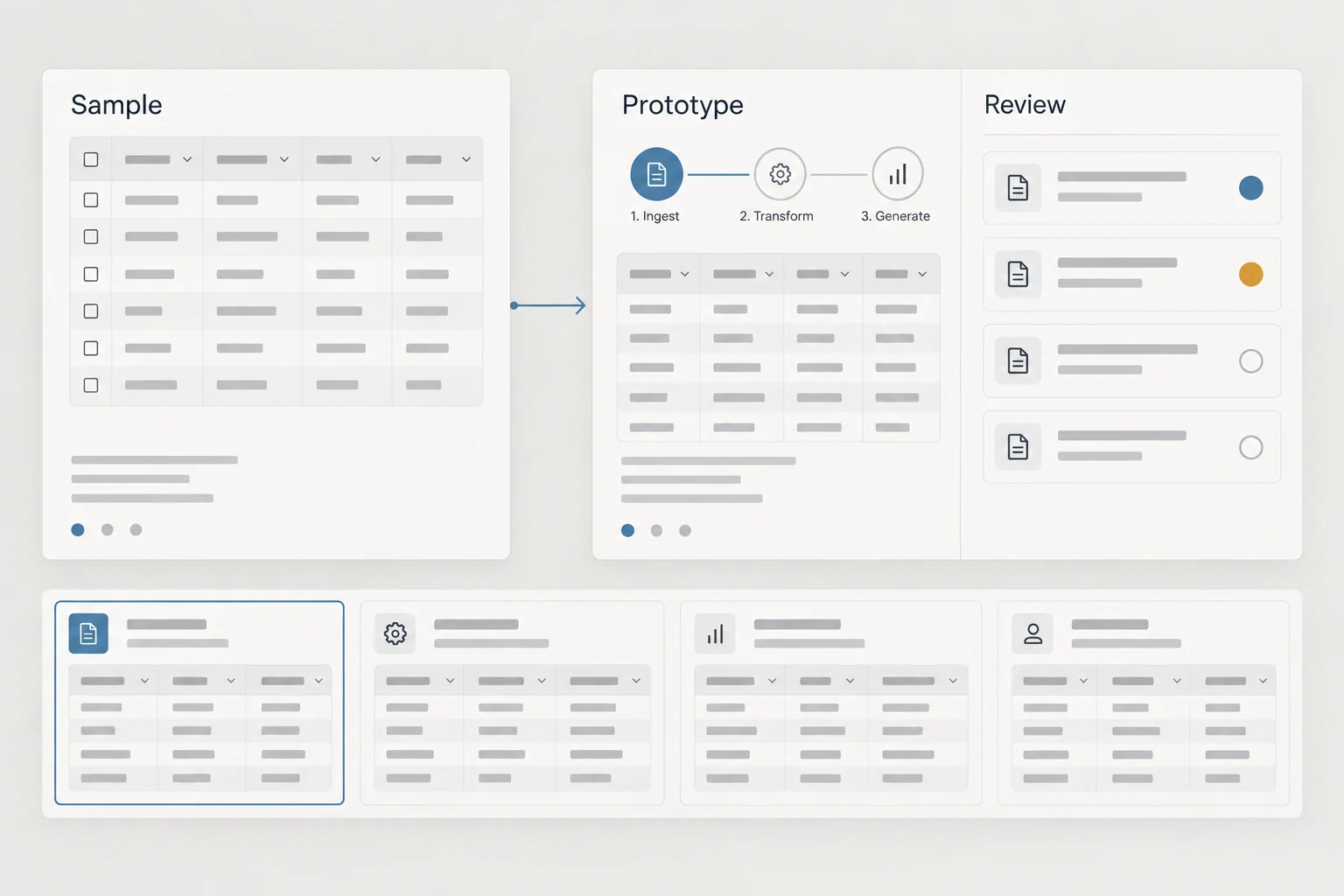
Set hypotheses, baselines and stop criteria before a demonstration becomes the definition of success.
Read the guide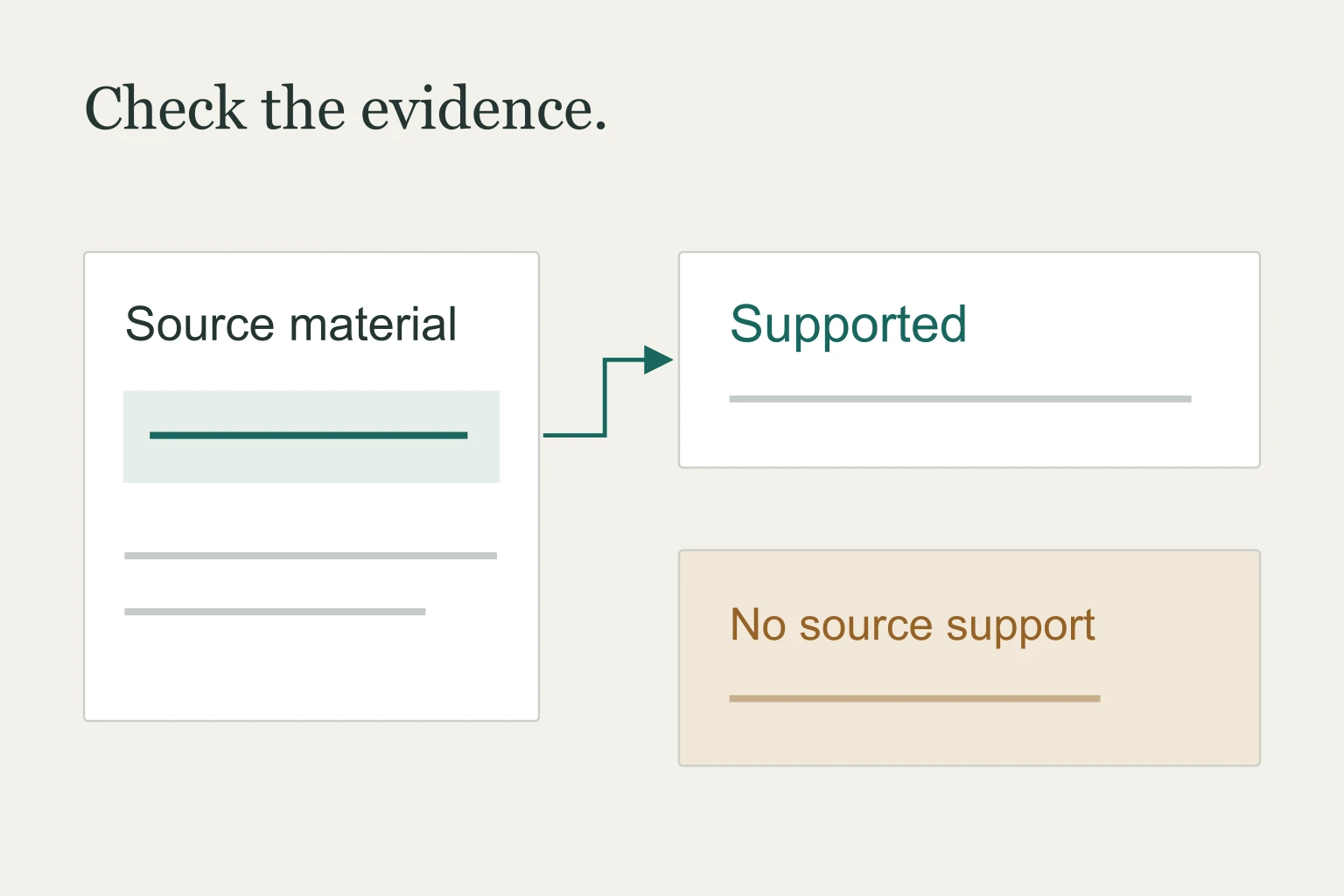
Separate correctness, evidence support and knowing when to say it is not sure, then examine the failures behind an overall score.
Read the guideThese guides describe proposed working methods, not findings from completed Manas Labs benchmarks. Their purpose is to help a team frame a useful investigation and recognise the limits of its evidence.
There is no universal threshold for an acceptable AI result. The task, available material, consequences of error and intended human review all influence what should be measured. A research brief makes those choices explicit before results are interpreted.
We link to primary sources where they support the discussion. External frameworks and research provide context; they do not certify an engagement or establish the performance of a particular system.
Write down the decision you need to make, an example of a useful output and an example of an unacceptable one. Identify the information the model would be allowed to use. Then ask what evidence would persuade you to proceed, revise the approach or stop.
If you cannot yet answer those questions, that uncertainty is itself useful scoping information. It may indicate that the next step is problem definition or data investigation rather than another prototype.
For a scoped investigation, explore AI Research & Feasibility, AI Proof of Concept or Model Evaluation & Benchmarking. Our research process explains how the question becomes an agreed engagement.
A considered next step
Tell us the task, the material available and the decision you need to make. We will discuss whether a focused investigation is the right next step.
Discuss your question hi@manaslabs.co.uk