Can it find the right material?
Assess whether retrieval identifies the relevant passage, document version and contextual detail in a permitted test collection.
Internal exploratory work
Exploring how evidence and incident context could support a more informed laboratory review.
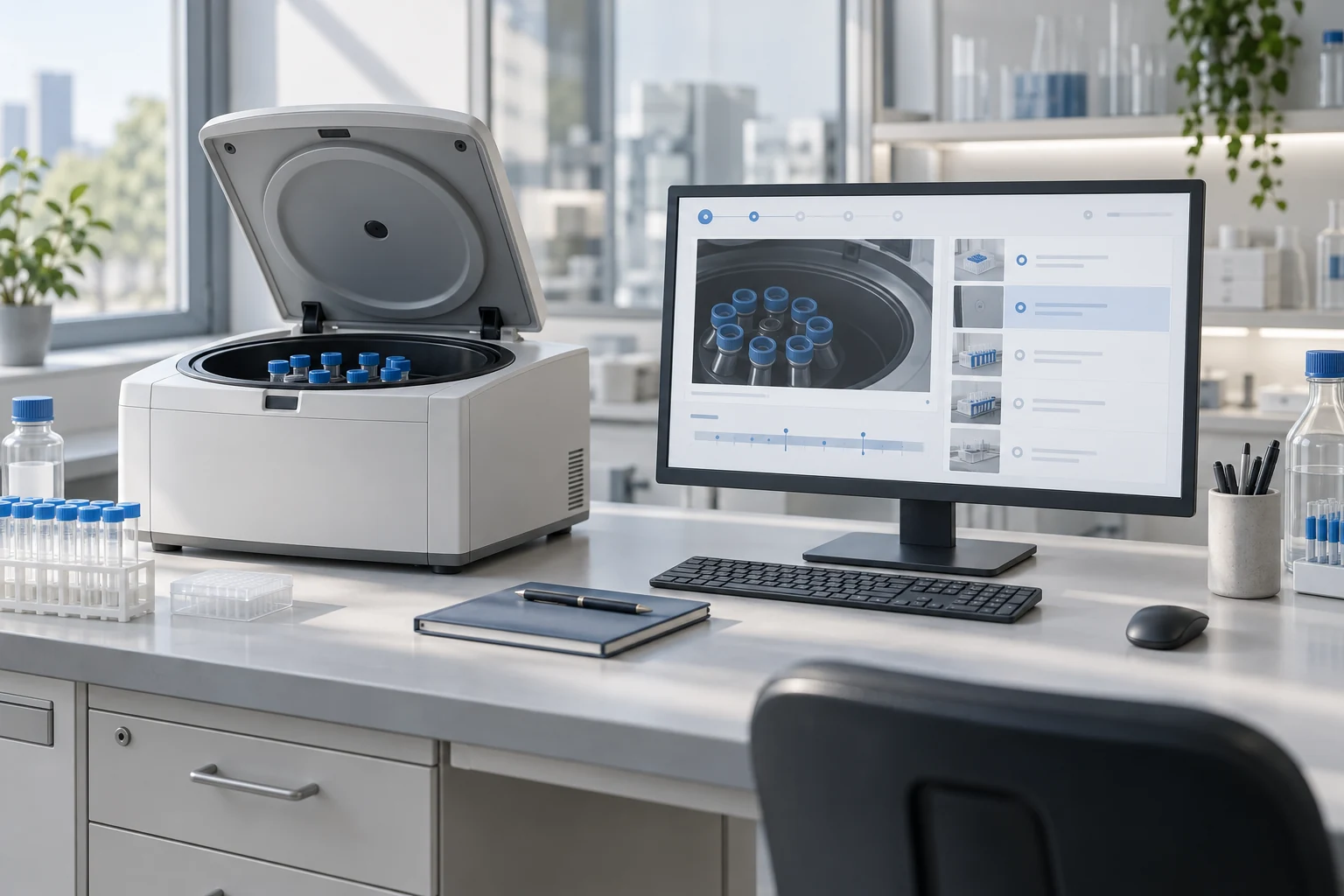
Laboratory incident review draws on procedural documents, accounts of the event and information that is often incomplete. Sentinel examines that material to surface the relevant evidence and the questions still unanswered, for a human reviewer to judge.
The concept is internal exploratory product work. It is not presented as a validated incident management system, an emergency response tool or an operational deployment. No performance results or customer outcomes are claimed.
The central research question is whether a limited system can surface useful evidence while making its limitations visible. That is different from asking it to determine the correct response to an incident.
Assess whether retrieval identifies the relevant passage, document version and contextual detail in a permitted test collection.
Examine whether summaries remain supported by the source and whether missing or contradictory information is made visible.
Investigate how clearly the interface communicates uncertainty, source coverage and the need for accountable human judgment.
A proposed evaluation would require an agreed task, appropriately permitted example material, domain reviewers and a scoring guide. It should include incomplete incident descriptions, irrelevant passages, conflicting documents and questions that cannot be answered from the available sources.
An evaluation would measure source relevance, factual support, detection of missing information and reviewer effort. These are proposed assessment areas, not completed findings. The appropriate criteria and thresholds would depend on the precise research scope.
Any operational use would raise further questions about data handling, document control, access, security, responsibility and applicable requirements. An exploratory prototype cannot resolve those simply by producing a plausible answer.
For the wider context, see internal product research and our guide to evaluating LLM answers.
A considered next step
Tell us the task, the material available and the decision you need to make. We will discuss whether a focused investigation is the right next step.
Discuss your question hi@manaslabs.co.uk